
What The iPhone Teaches Us About Investment
When we think about investing, it's easy to focus on the wrong things. For example, in the early years of saving, the percentage of your salary you set aside is far more important than your investment return, but most people obsess over performance instead.
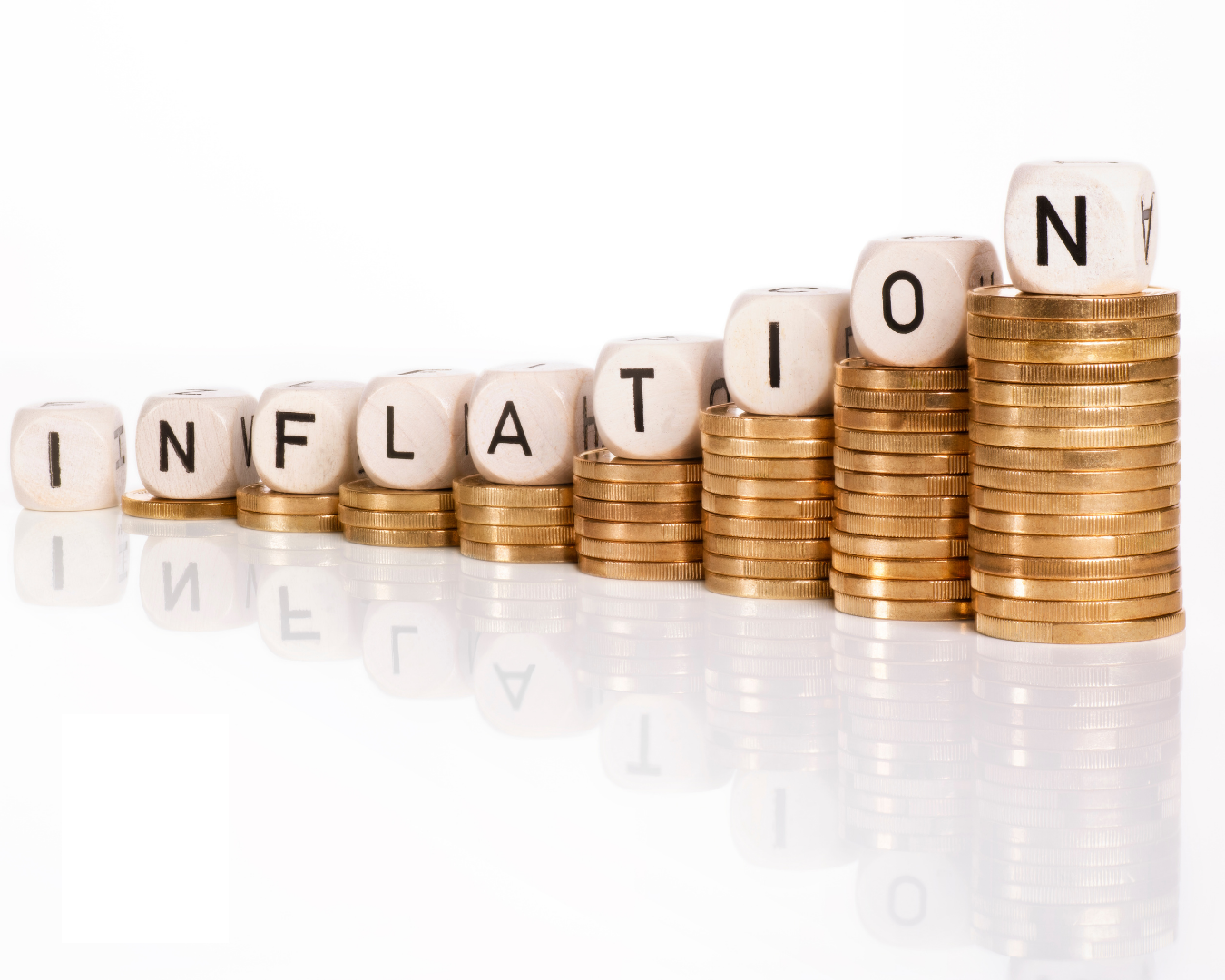
Inflation is another factor we tend to underestimate. It doesn't feel dramatic day to day, but over time, it chips away at our purchasing power.
Take the iPhone. Back in 2007, the first iPhone cost around €500. Today, the latest iPhone Pro Max can exceed €1,400 depending on storage. What seems like the 'same' product has almost tripled in price in under two decades.
Why? The cost of materials, technology, and labour have all risen, but crucially, Apple has the pricing power to pass these costs on. That strength has been good news for investors too: Apple's share price is up about 115% in USD terms over the past five years, compared with inflation of roughly 23% (CSO figures August 2025).
Not every company has that advantage. Many struggle when costs rise faster than revenues. That's why owning a diversified global equity portfolio makes sense. Over the last 50 years, US equities have returned around 10% per year, while inflation has averaged closer to 3%.
The lesson is simple: cash loses value over time, while equities — despite short-term ups and downs — have historically protected and grown wealth in excess of inflation.
To put it in perspective, if you had spent €500 on the first iPhone in 2007, that money would now barely cover a third of the cost of Apple's top model. But if you had invested €500 in Apple stock instead, it would be worth more than €22,000 today.
Inflation is unavoidable, but with patience, discipline, and the right portfolio, you can stay ahead of it.